Creative blocks can be frustrating. It’s important to remember that not every technique works for everyone. The key is to find what resonates with you and be open to exploring new methods. Remember that unfamiliar approaches can lead to unexpected breakthroughs. As Albert Einstein once said, “Creativity is intelligence having fun.” So, step out of your comfort zone and give these creative exercises a try. You might just unlock something new in your imagination.
1. Morning Pages: Stream-of-Consciousness Writing
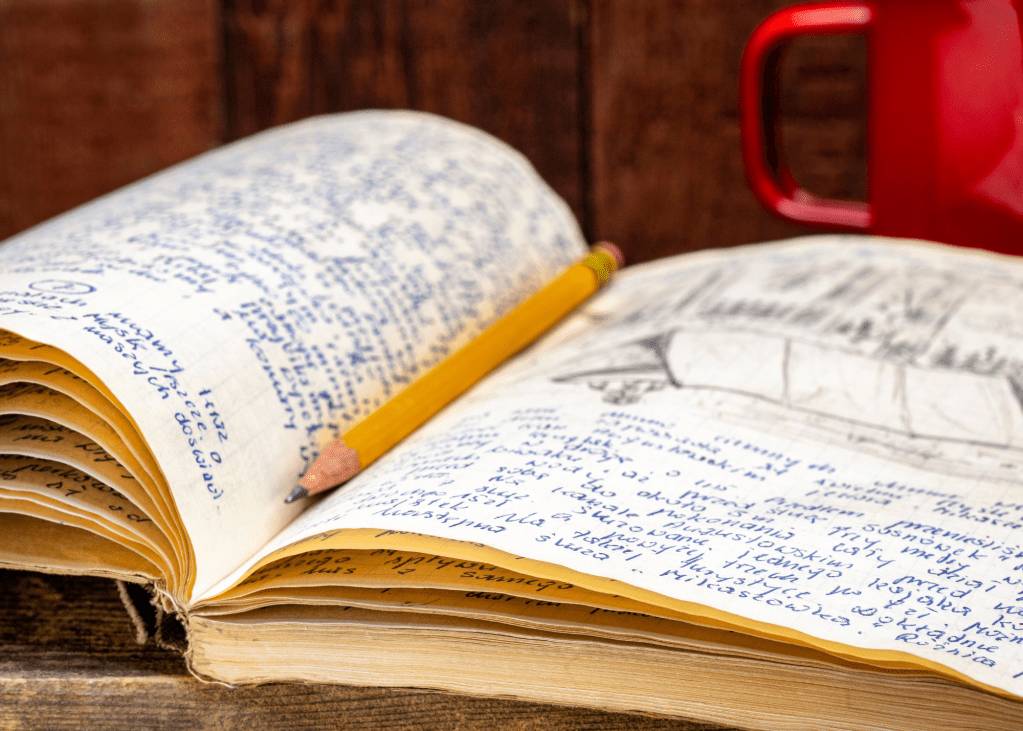
Technique: Write three pages of longhand, stream-of-consciousness thoughts first thing in the morning.
How it helps: Julia Cameron introduced Morning Pages in The Artist’s Way as a tool to clear mental clutter, reduce self-sabotage, and quiet the inner critic. This daily ritual helps you bypass mental barriers and cultivate creative flow. Julia Cameron Live
Steps:
- Use a notebook and pen. Avoid digital devices to stay in the present.
- Write continuously for three pages.
- Let your thoughts flow without editing or judgment.
- Focus on the process, not the content.
Tip: If you get stuck, repeat a word or phrase until new thoughts emerge.
2. Frottage: Textured Rubbings to Bypass Conscious Control

Technique: Create rubbings of textured surfaces using a pencil or crayon.
How it helps: Max Ernst developed frottage to bypass conscious control and access the subconscious. This method encourages spontaneous, uninhibited artistic expression. Tate
Steps:
- Find a textured surface (e.g., tree bark, fabric).
- Place a sheet of paper over it.
- Rub the surface with a pencil or crayon to reveal patterns.
- Interpret the resulting image for creative ideas.
Tip: Combine multiple rubbings to create complex, layered visuals.
3. Meditation & Discipline: Building Creative Habits
Technique: Establish a consistent meditation practice to foster creativity.
How it helps: Artist Yumi Sakugawa emphasizes the role of discipline in creativity, advocating structured habits and rituals to sustain long-term creative practice. The Creative Independent
Steps:
- Set aside a specific time each day for meditation.
- Choose a quiet space free from distractions.
- Focus on a mantra related to your creative expression
- Allow thoughts to come and go without attachment.
Tip: Start with short sessions and gradually increase duration as you become more comfortable.
4. Bilateral Drawing: Art Therapy for Emotional Expression
Technique: Use bilateral drawing to process emotions and reduce stress.
How it helps: Bilateral drawing, an EMDR arr therapy technique which can relieve the freeze response, and express unprocessed emotions through creative markmaking. Psychology Today
Steps:
- Choose an art medium (drawing, painting, etc.).
- Focus on the emotions you wish to express.
- With a pen or paintbrush in both hands, let your feelings guide your movements as you create marks simultaneously with both hands.
- Optional: turn these marks into an image
Tip: Engage in rhythmic breathing or mindfulness before starting to enhance emotional clarity.
5. Cut-and-Paste Poems: Surrealist Collage Technique

Technique: Create poems by cutting words from magazines or newspapers and rearranging them.
How it helps: The cut-up technique, popularized by William S. Burroughs, disrupts conventional thought patterns and sparks fresh ideas through unexpected word juxtapositions. Wikipedia
Steps:
- Collect a variety of printed materials.
- Cut out individual words or phrases.
- Arrange them on a blank page to form a poem.
- Glue the words in place once satisfied with the arrangement.
Tip: Embrace randomness and let the words guide the poem’s meaning.
6. “What-If” Speculative Prompts: Expanding Imagination
Technique: Use “what-if” scenarios to explore new creative possibilities.
How it helps: Octavia Butler used speculative thinking to overcome creative blocks, encouraging writers to explore new ideas and perspectives. The Creative Independent
Steps:
- Pose a “what-if” question related to your creative field.
- Write down all possible answers without judgment.
- Select the most intriguing idea to develop further.
- Use this idea as a foundation for your creative project.
Tip: Regularly challenge yourself with new “what-if” questions to keep creativity flowing.
7. Story Mining: Unearthing Creative Ideas
Technique: Delve into personal experiences or historical events to extract compelling narratives.
How it helps: Thomas King highlights the power of storytelling in overcoming creative blocks, advocating exploration of personal and collective histories to inspire new stories. The Walrus
Steps:
- Reflect on personal experiences or historical events.
- Identify key themes or symbols.
- Develop a narrative around these elements.
- Use these symbols and narrative to create maps, characters, environments or concepts for larger artworks.
Tip: Use storytelling as a tool to connect with your creativity rather than letting it block you.
Final Thoughts

Techniques like Morning Pages, frottage, bilateral drawing, and speculative prompts can help you clear mental clutter, explore your subconscious, and build sustainable creative habits. Experiment with these methods, mix and match them, and find your creative rhythm.
If you’re seeking more creative projects to overcome creative blocks, Crafty Calm offers a variety of resources designed to inspire and soothe. From mindfulness coloring pages and guided art projects to reflective journal prompts, each resource is crafted to support well-being and encourage introspection. If you’re a teacher, therapist, or simply someone looking to unwind, these printable activities are easy to use and require minimal supplies. Additionally, this blog features creative prompts, crafting tutorials, and interviews with inspiring crafters thinkers, all reflecting on what it means to be a creative human navigating this chaotic world. If that resonates with you, consider subscribing to receive updates and new resources delivered straight to your inbox.